Latest News
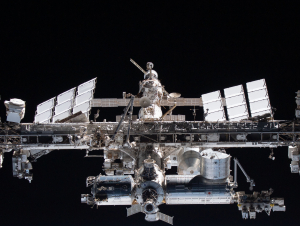
Solar cells account for approximately six percent of the electricity used on Earth; however, in space, they play a significantly larger role, with nearly all satellites relying on advanced solar cells for their power. That’s why Georgia Tech researchers will soon send 18 photovoltaic cells to the International Space Station for a study of how space conditions affect the devices’ operation over time.
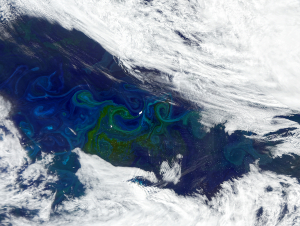
Ocean waters are getting greener at the poles and bluer toward the equator, according to an analysis of satellite data published in Science. The change reflects shifting concentrations of chlorophyll made by phytoplankton. If the trend continues, marine food webs could be affected, with potential impacts on fisheries near the equator and carbon sequestration near the poles.
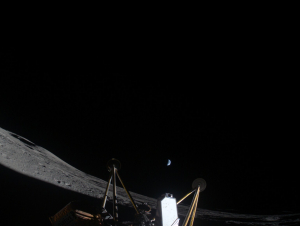
The mass spectrometer and ice drill will be crucial to future NASA missions.

Insights could not only pave the way for new treatment strategies for genetic disorders, cancer and neurodegenerative diseases, but also enhance gene-editing technologies.
Georgia Tech researchers are innovating ways to study air quality — beginning with prehistoric insights and zooming all the way to satellites in our orbit.

As temperatures rise, proper hydration and heat acclimatization can help maintain physical and mental health. School of Biological Sciences Professor Mindy Millard-Stafford and Adjunct Professor Mike Sawka discuss best practices and strategies to avoid heat-related illness and dehydration while optimizing performance.