To request a media interview, please reach out to experts using the faculty directories for each of our six schools, or contact Jess Hunt-Ralston, College of Sciences communications director. A list of faculty experts is also available to journalists upon request.
Latest News

Eric Schumacher, professor of psychology specializing in the study of cognitive control, joins the Generating Buzz podcast to talk about how brain rot is spreading — and how to stem the tide.
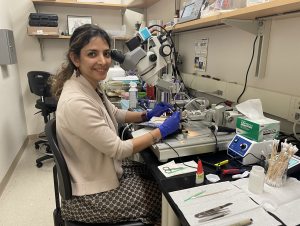
The School of Biological Sciences assistant professor has received several awards that will enable interdisciplinary research on the neural mechanisms of cognition.
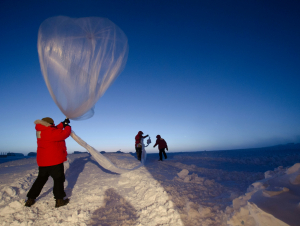
A Georgia Tech-led review paper recently published in Nature Reviews Physics is exploring the ways machine learning is revolutionizing the field of climate physics — and the role human scientists might play.
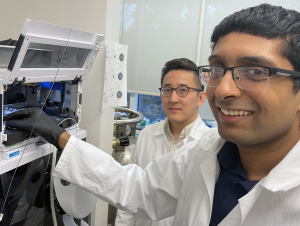
BME researchers combine precision and simplicity in cell-free biosensors, transforming diagnostic tools.
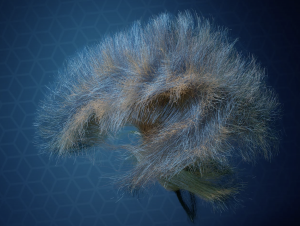
The internal search will identify an inaugural executive director for the new Interdisciplinary Research Institute, fostering cutting-edge research and innovation at the intersection of neuroscience, neurotechnology, and societal impact.

In fact, every decade since 1984, when satellite recordkeeping of ocean temperatures started, has been warmer than the previous one.