A Georgia Tech-led project advancing coastal resilience and ecosystem restoration has been selected for the inaugural Climate Resilience Fund cohort, awarded by Revive & Restore. The award is one of ten in a new $3.4 million fund to leverage genetic rescue for marine and coastal ecosystems under threat from climate shifts.
Led by Joel E. Kostka, Tom and Marie Patton Distinguished Professor and director of Georgia Tech for Georgia’s Tomorrow (GT²), the research effort will help restore coastal salt marshes through AI-enabled micropropagation and developing probiotics for plants. It is the only salt marsh-focused effort funded nationally in the cohort.
The award supports both the development of more climate-resilient salt marsh plants, as well as new capacity for coastal restoration in Georgia — an effort that aligns closely with GT²’s mission to connect research, innovation, and community needs to address critical environmental and community challenges.
Healthy Coasts
Salt marshes are among Georgia’s most important natural resources, helping buffer communities from storms, support fisheries, and sustain coastal economies. Yet the state currently lacks a reliable source of salt marsh seedlings needed for large-scale restoration.
The funded project addresses that gap by advancing the production of hardier marsh plants and laying the groundwork for a broader restoration economy.
“The opportunity here is to build something that doesn’t currently exist in Georgia — a scalable, science-driven supply of salt marsh plants for safer, healthier coastal communities and ecosystems,” Kostka says. “By combining biotechnology, ecology, and partnerships across the region, we are accelerating coastal resilience while supporting long-term environmental and economic benefits.”
Kostka will work with project co-researchers Else-Marie Ulrika Egertsdotter (Georgia Tech Renewable Bioproducts Institute) and Caitlin Petro (Georgia Tech Biological Sciences), Heather Joesting (Georgia Southern University), Emily Coffey and Lauren Eserman-Campbell (Atlanta Botanical Garden), and Sydney Williams (University of Georgia and Georgia Sea Grant) — along with several anticipated regional partners, including University of Georgia Marine Institute, GA/SC/NC Departments of Natural Resources, Southeastern Plant Conservation Alliance, and Bald Head Island Conservancy.
The team will create a “Climate-Ready Spartina Toolkit” with automated plant tissue culture, AI-based screening tools, a culture collection that serves as probiotics for plants, a seed bank and library of preserved plant materials, step-by-step instructions for successful growing, and ready for regional deployment.
The project also continues the evolution of Kostka’s collaborative research Egertsdotter and the Georgia Tech Renewable Bioproducts Institute. “RBI shares the goal of using biotechnology to produce climate-resilient plants that benefit society,” Kostka says. “Their expertise in plant tissue culture and automation make this work possible. It also is a great example of collaboration between GT Sciences and Engineering — the automation of plant tissue culture was developed by mechanical engineers in RBI.”
Regional Resilience
The new award builds on growing momentum for Georgia Tech for Georgia’s Tomorrow and its expanding network of collaborators focused on coastal resilience. Based in the College of Sciences, GT² is designed to align discovery science with technological innovation and data-driven tools to deliver practical solutions for communities across the state.
In April, GT² launched a formal research fund and partnership with the Bald Head Island Conservancy (BHIC), connecting Georgia Tech researchers with BHIC’s Johnston Center for Coastal Sustainability in North Carolina to advance shared work in coastal sustainability, ecosystem health, and environmental resilience.
The partnership combines BHIC’s applied, field-based conservation work with Georgia Tech’s strengths in technological innovation and data analysis, creating new opportunities for graduate research, community engagement, and real-world implementation.
Better Together
These “all hands on deck” approaches reflect a broader strategy to scale tangible solutions across regional ecosystems by connecting researchers and partners with community stakeholders.
“Together, we hope these projects will demonstrate that genetic rescue is a powerful lever for the blue carbon ecosystems that underpin both ecological and human communities in the face of climate change,” said Liv Liberman, Director of Ocean and Climate at Revive & Restore and program manager for the Climate Resilience Fund.
The efforts reflect GT²’s goal of creating pathways from research to implementation, working across sectors to deliver measurable outcomes for the southeastern environment and its communities.
“This award recognizes the kind of integrated, real-world research that GT² is built to deliver,” says Kostka. “We’re bringing together researchers, agencies, and community partners to move from science to scalable solutions — especially along southeastern coasts, where the need is urgent and the opportunities are significant.”
###
About Georgia Tech for Georgia’s Tomorrow
Georgia Tech for Georgia’s Tomorrow (GT²) is a College of Sciences–based initiative that connects discovery science, innovation, and partnerships to address pressing challenges in environmental and community resilience across Georgia. The initiative works with state agencies, industry, non-profits, and local communities to develop solutions that improve quality of life and strengthen the state’s future.
About Revive & Restore
Revive & Restore is a nonprofit conservation organization that develops and promotes genetic rescue technologies to protect and restore endangered and extinct species. Founded in 2012 by Stewart Brand and Ryan Phelan, the organization works across birds, mammals, coral, and marine ecosystems to demonstrate that biotechnology is an essential tool in the conservation toolkit.
Related Media
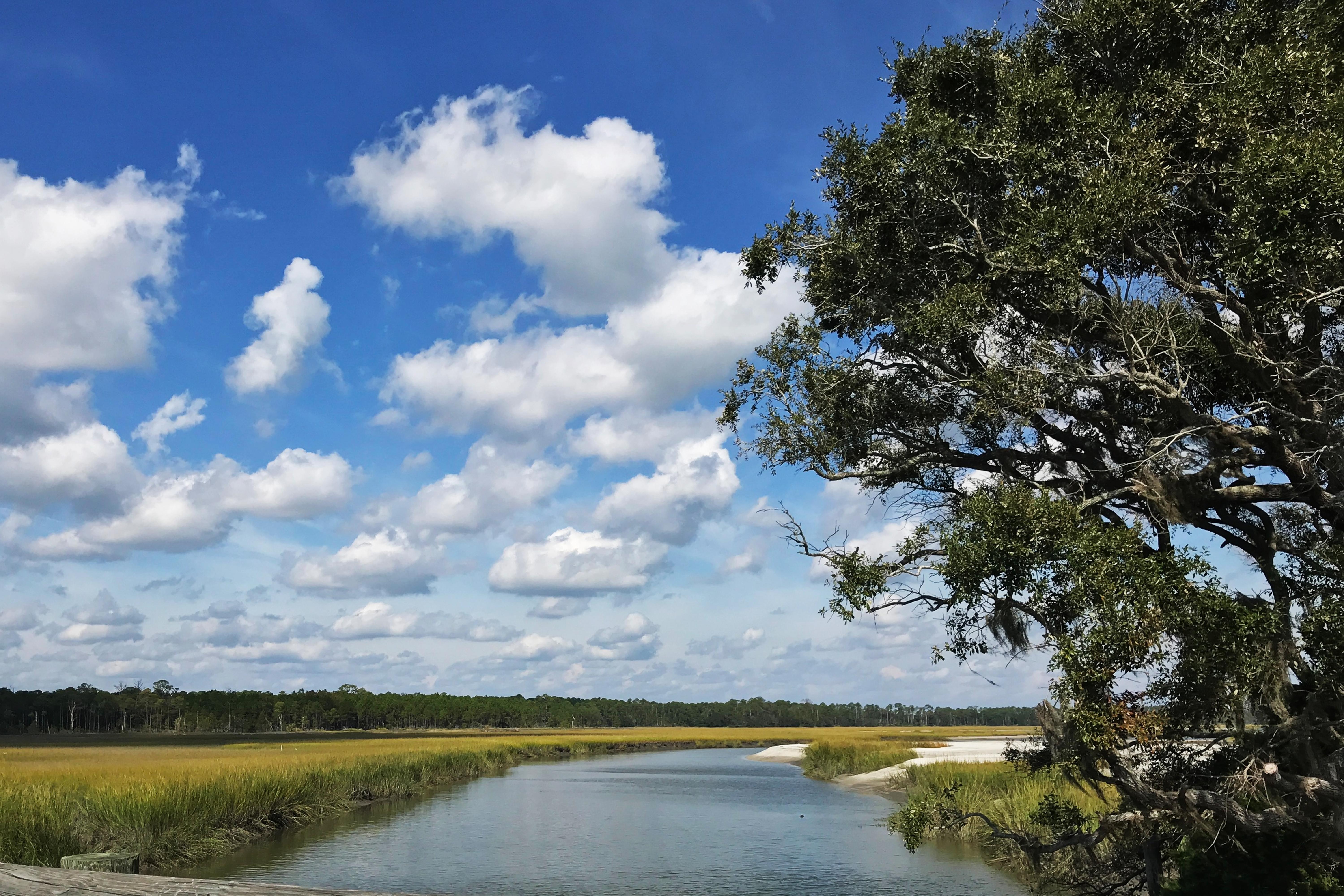
Spartina alterniflora lines a marsh environment on Sapelo Island. (Credit: Jess Hunt-Ralston)
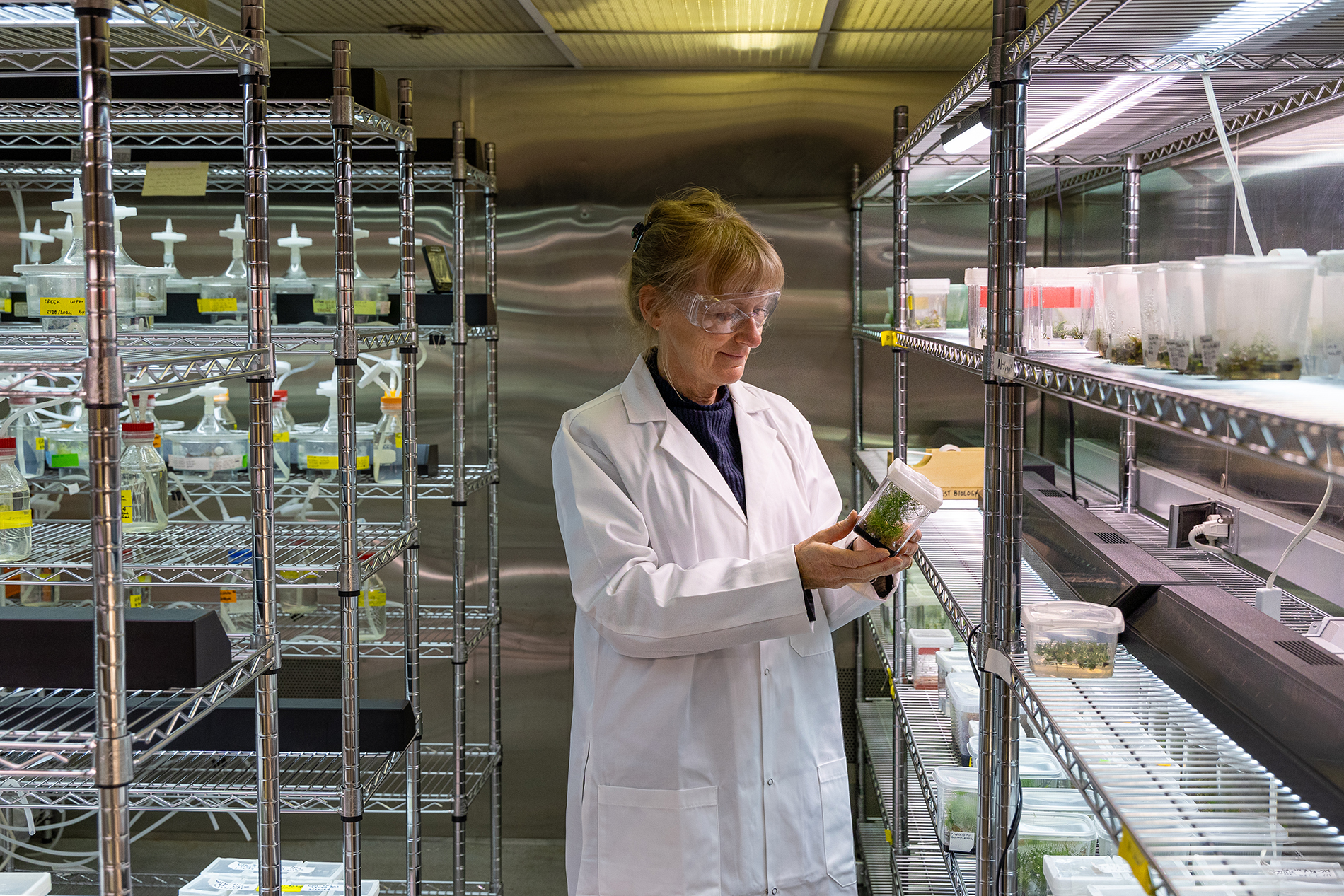
Ulrika Egertsdotter is a principal research scientist in the Renewable Bioproducts Institute and a renowned expert in seed cloning. (Credit: Christopher McKenney)
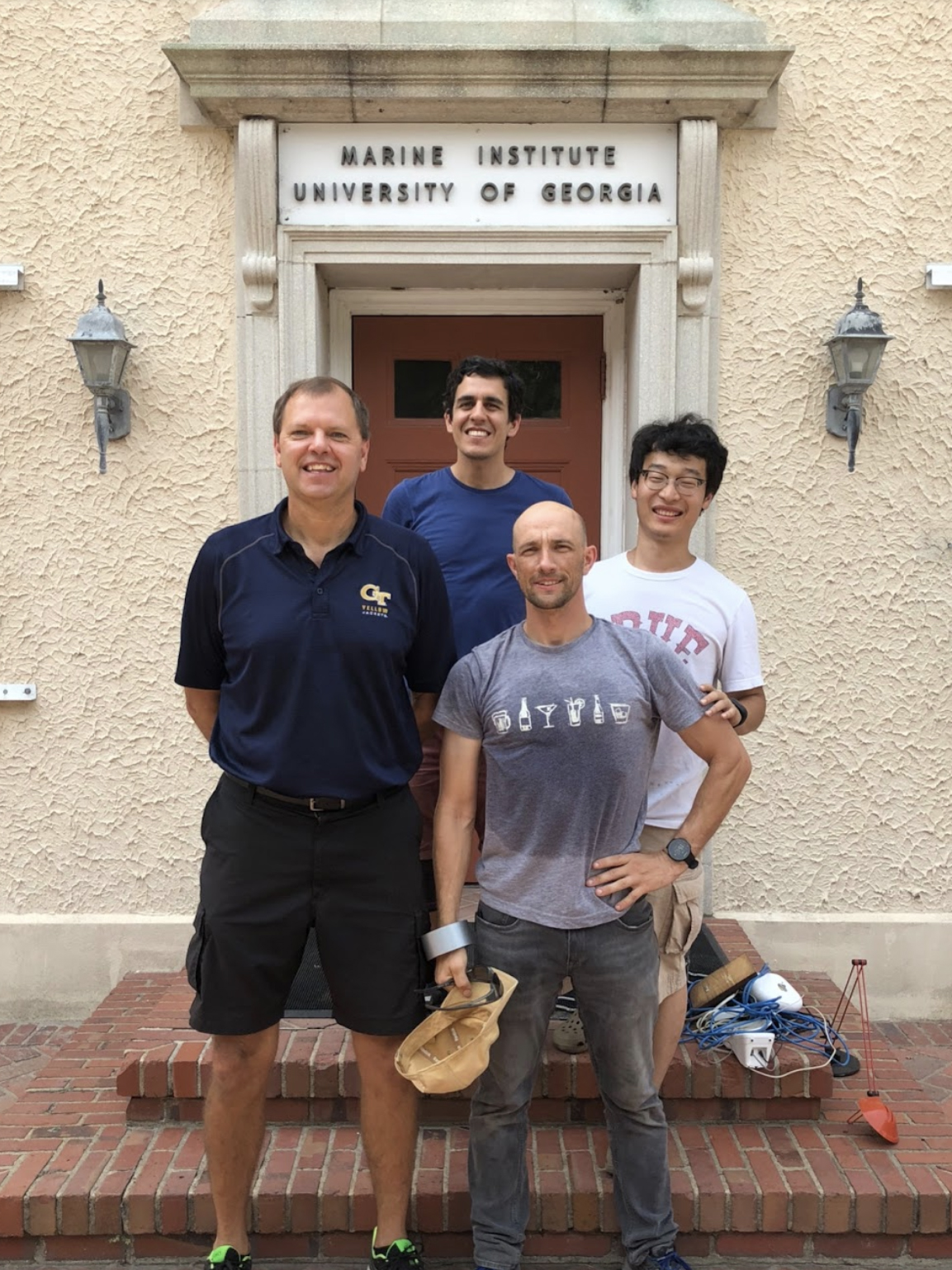
Joel Kostka and co-presenters at the RBI 2026 Spring Workshop.
For More Information Contact
Jess Hunt-Ralston
Director of Communications
College of Sciences at Georgia Tech
Elizabeth Bennett
Communications Director
Revive & Restore